+34 60 41 19 833
 NL
NL  ES
ES  FR
FR  EN
EN 
News
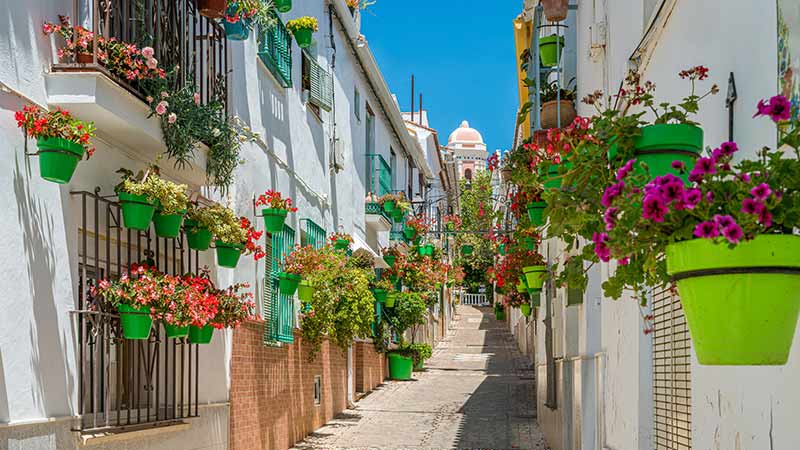
Visiting Estepona: The must-sees of the Andalusian pearl
Nestled between the shimmering waters of the Mediterranean and the spectacular reliefs of the Sierra Bermeja,
Estepona is one of the most sought-after destinations on the Costa del Sol. This Andalusian town attracts visitors with its remarkable cultural heritage, modern facilities, and year-round sunny Mediterranean climate. The city has managed to preserve its authenticity while developing high-quality tourist infrastructure. Industry professionals recognise Estepona as the ideal choice for those seeking an authentic Andalusian experience combined with the appeal of a contemporary seaside resort.
The Old Town: A Maze of Flower-Filled Streets
Estepona’s historic quarter is distinguished by its typically Andalusian architecture, featuring immaculate white façades adorned with colourful flower pots. Architectural experts consider this beautifully restored old town among the most impressive in Andalusia. Travellers can wander through a network of cobbled streets that exude a calm, leisurely atmosphere. The Plaza de las Flores serves as an unmissable focal point, while the remains of the Castillo de San Luis bear witness to the city’s medieval heritage.
Religious buildings deserve particular attention, notably the Church of Nuestra Señora de los Remedios, built in the 18th century. The Torre del Reloj, dating from the 15th century, stands as a perfectly preserved historical landmark. Heritage specialists highlight the importance of these monuments in illustrating Estepona’s urban evolution over the centuries.
Murals: An Open-Air Art Gallery
Estepona has transformed into an urban art gallery thanks to its impressive collection of monumental paintings. More than sixty murals decorate residential building façades, creating a unique cultural trail on the Costa del Sol. Both local and international artists have contributed to this beautification project, turning public space into a canvas for creative expression.
One notable example is “A Fishing Day” by José Fernández Ríos, a mural extending across several façades that uses trompe-l’œil techniques to depict maritime scenes celebrating local traditions. The tourist offices provide detailed maps allowing visitors to follow this artistic route through the city’s various neighbourhoods.
The Orchidarium: An Exceptional Botanical Garden
This modern botanical space houses an exceptional collection of more than 1,300 orchid species from five continents. Botanists regard it as one of the most significant orchidariums in Europe. The 1,000-square-metre structure includes an indoor waterfall and recreates different tropical habitats, offering visitors an immersive journey into the world’s plant biodiversity.
Vertical gardens and landscaped areas have been designed to encourage observation and understanding of tropical ecosystems. This attraction is ideal for families, couples, and anyone who appreciates preserved natural environments.
The Coastline: Twenty-One Kilometres of Mediterranean Beaches
The municipal territory stretches along the coast for a considerable distance, offering seventeen beaches with varied characteristics. Playa de la Rada, located in the town centre, is the main urban bathing area, featuring full facilities and summer lifeguard services. Playa del Cristo, nestled in a natural cove, offers ideal conditions for families with its shallow, calm waters.
Several of these beaches have been awarded the European Blue Flag, a certification guaranteeing environmental quality and excellent services. Tourism analysts note that this diversity of beaches caters to all visitor profiles — from watersports enthusiasts to those seeking peace and relaxation.
The Marina: Vibrancy and Seaside Dining
The Estepona Marina, or Puerto Deportivo, is a key activity hub located just minutes from the old town. This modern facility offers 447 berths and serves as a popular meeting point for both residents and tourists. The local restaurants provide authentic Mediterranean cuisine that highlights freshly caught seafood.
The Sunday market attracts many visitors eager to discover local crafts and regional specialities. Boat excursions departing from the marina offer opportunities for dolphin watching — with common dolphins frequently spotted in the coastal waters of the area.
The Sierra Bermeja: Mountain Hiking Adventures
The mountainous hinterland provides remarkable opportunities for outdoor activities. This mountain range is characterised by its peridotite rocks, which give it a distinctive reddish hue. The summit of Los Reales reaches 1,449 metres, offering spectacular panoramic views of the Costa del Sol, Gibraltar, and the North African coast on clear days.
Ecologists highlight the richness of local biodiversity, including endemic species such as the Spanish fir (pinsapo). Marked trails allow hikers of all levels to explore this preserved natural environment, combining pine and chestnut forests with striking rocky landscapes.
Selwo Aventura: Wildlife Park and Safari
This zoological reserve extends over one hundred hectares in the hills overlooking Estepona. Around two thousand animals representing various species from five continents live in semi-open spaces that reproduce their natural habitats. Visitors can observe lions, rhinos, giraffes, elephants, and many other species in a beautifully landscaped setting.
The facilities include adventure courses featuring suspension bridges and zip lines, adding a fun dimension to the visit. Wildlife conservation professionals recognise the educational importance of such establishments in raising public awareness about global fauna preservation.
The Equestrian Art School: Tradition and Elegance
The Escuela de Arte Ecuestre Costa del Sol is among the most prestigious equestrian centres in Spain. This institution showcases traditional dressage techniques and Iberian horse breeds. Its modern facilities host regular equestrian shows that attract riding enthusiasts and visitors eager to discover this refined aspect of Andalusian cultural heritage.
Local Gastronomy: Mediterranean Flavours
Estepona’s cuisine reflects Mediterranean culinary traditions, focusing on seafood and regional specialities. Espetos de sardinas — sardines grilled on skewers — are an emblematic dish served in the chiringuitos that line the seafront. Fritura malagueña offers a selection of small fried fish, while salt-crusted preparations highlight the freshness of the daily catch.
Restaurants in the marina and town centre offer a diverse culinary palette, combining traditional recipes with contemporary creations. Andalusian gastronomy experts emphasise the importance of this culinary culture in defining Estepona’s local identity and tourist appeal.
Festivities and Cultural Events
The annual calendar includes several major celebrations that enliven the town’s cultural life. The Feria y Fiestas Mayores, held in early June, transforms the city into a festive space filled with stalls, shows, and traditional entertainment. The maritime procession of the Virgen del Carmen on 16 July honours the patron saint of fishermen in a colourful ceremony that brings together residents and visitors.
Sporting events, particularly golf tournaments held at nearby courses, contribute to the destination’s dynamic atmosphere. Cultural anthropologists note that these traditional celebrations maintain the balance between modernity and local heritage.
Planning Your Stay in Estepona
Access to Estepona is mainly via Málaga–Costa del Sol Airport, located about fifty kilometres away. Road links make it easy to reach major Andalusian cities and nearby towns such as Marbella, Manilva, and Casares. The Mediterranean climate ensures favourable weather conditions year-round, with more than three hundred days of sunshine annually.
Tourism professionals recommend a stay of at least two days to discover the main attractions, although the region’s cultural and natural wealth justifies a longer visit. Local concierge services make planning activities and accessing the various points of interest effortless — optimising every visitor’s experience in this privileged Andalusian destination.


